

In recent years, sustainability has gone from being an added value to becoming a reputational, regulatory and business requirement. Organisations are communicating more and more about their environmental progress, but the challenge is no longer simply to have sustainable initiatives in place. It is also about explaining what has been achieved, the scope of those achievements and the evidence behind them.
From September 27th 2026, brands and companies targeting consumers in the European Union will need to pay even closer attention to how they formulate and substantiate their sustainability claims. Directive (EU) 2024/825, known as the EmpCo Directive, becomes mandatory across the European Union and strengthens consumer protection against unfair commercial practices, including greenwashing.
This change affects much more than one specific campaign. Packaging, websites, product pages, advertising, labels, social media and spokesperson messaging all form part of the same communications ecosystem. Complying with the Directive therefore requires ESG, data and reputation to be coordinated through a strategic communications approach.
What the EmpCo Directive means for brand communications
The EmpCo Directive focuses primarily on commercial messaging aimed at consumers. Its impact therefore extends far beyond an advertisement or brand campaign and also covers the sustainability claims companies make across their different channels and consumer touchpoints.
This means sustainability needs to be reviewed as a cross-functional process. A message that originates within an ESG team may end up in an advert, a sales presentation, an interview or a LinkedIn post. If that message changes along the way, its meaning may change too, as may the level of evidence required to support it.
The Directive amends European rules on unfair commercial practices and consumer rights. Its aim is not to prevent companies from communicating their progress, but to enable people to make informed decisions based on clear and verifiable information.
For brands, the consequence is easy to explain, even if it is not always easy to put into practice. It is no longer enough for a claim to sound positive. It must be capable of being substantiated.
Responsible communications are not about saying less about sustainability, but about saying it better: using the appropriate scope, providing data to support claims and avoiding giving audiences an impression that goes beyond the reality.
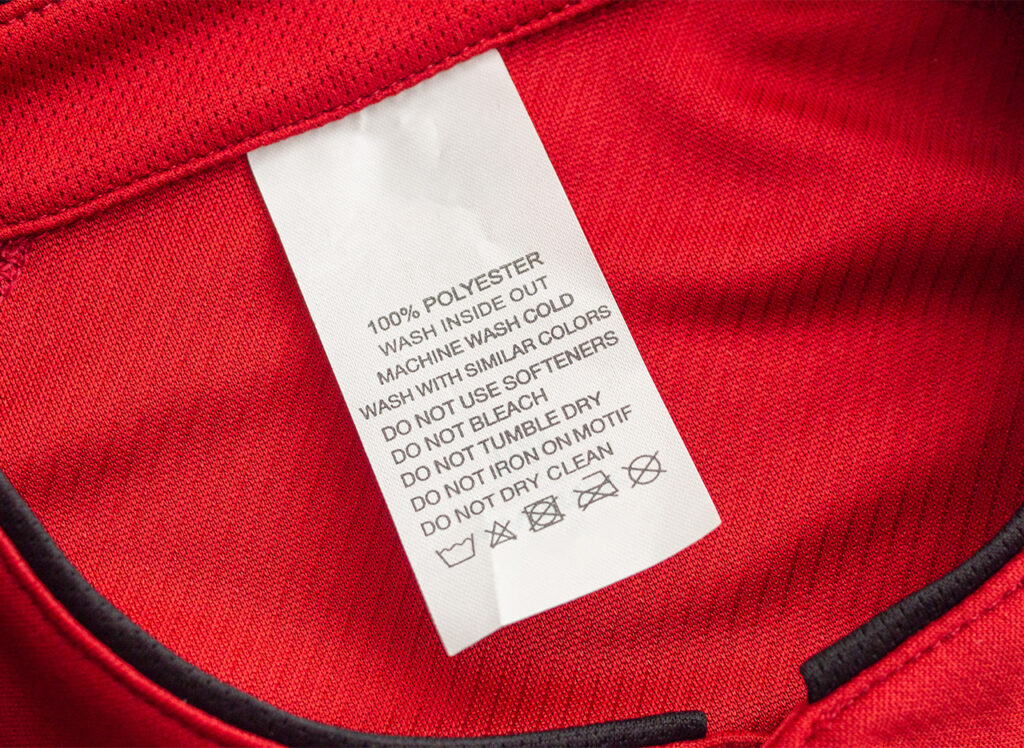
What types of messages should brands review?
The Directive adds new practices to the list of unfair commercial practices. Four areas are particularly relevant when communicating about sustainability.
1. Generic environmental claims
Expressions such as “eco-friendly”, “green”, “ecological”, “sustainable” or “good for the environment” can create a broad impression of the impact of a product, service or company. If a brand cannot demonstrate the environmental performance that such wording implies, the message may be misleading.
The challenge cannot be solved simply by replacing one adjective with another. Brands need to specify what exactly is being claimed, which part of the product or activity the claim relates to, over what period and using which methodology. For example, “sustainable packaging” says very little on its own. A more rigorous formulation should explain which aspect has been improved — whether the material, weight, recycled content, reusability or recyclability — by what percentage and compared with which baseline.
2. Sustainability labels and certifications
The presence of a label or icon does not automatically make a claim reliable. The EmpCo Directive restricts the use of sustainability labels that are not based on a certification scheme or established by public authorities.
Internally created labels can give the impression of independent endorsement where none exists. Before using them, brands should check who awards the label, which criteria are applied, how compliance is verified and what information is available to consumers and other stakeholders.
3. Climate claims based solely on offsetting
Claims such as “carbon neutral”, “climate positive” or “carbon offset” require particularly careful review. Offsetting emissions through carbon credits is not, in itself, equivalent to reducing the emissions associated with a product or activity.
Climate communications should distinguish between reductions in a company’s own emissions, emissions avoided through a solution or activity, and offsetting through carbon credits. They should also explain the scope of the claim, the baseline used, the measurement period and the specific role played by carbon credits.
4. Durability, repairability and product lifespan
The Directive also addresses claims related to product durability and repairability. This includes misleading statements about how long a product can be used, whether it can be repaired or what limitations apply to repairs. For brands, this means that information about a product’s lifecycle cannot remain aspirational. It needs to be aligned with the product’s actual characteristics, its conditions of use, the availability of spare parts or repairs, and any applicable warranties.
The Directive also strengthens the information consumers receive at the point of sale regarding durability, repairability and guarantee rights. Sustainability communications are therefore becoming increasingly connected to the real product experience.
Existing stock also deserves attention
The review should not focus exclusively on new campaigns. Brands should also identify packaging, labels and other materials that have already been produced but will remain in circulation after the Directive becomes mandatory, and assess on a case-by-case basis whether the claims they contain need to be updated.
The European Commission and the Consumer Protection Cooperation Network have published a common interpretation regarding “old stock”. How the rules apply to existing products and materials needs to be assessed taking into account the type of claim, channel, market and guidance issued by the relevant authorities. In any case, waiting until existing stock runs out before identifying communications that can no longer be substantiated does not appear to be a prudent approach.
The first step should be to create an inventory of all active claims: what is being said, where it appears, who approved it, what evidence exists and which part of the business is responsible for keeping it up to date.
A sustainability claim does not begin with the copy
A review should not consist solely of looking for “banned words”. Risk can also lie in an image, colour, icon, comparison, omission or the context surrounding a message.
To assess a claim, organisations can begin by asking five questions:
- What would a reasonable consumer understand when reading or seeing the message?
- Does the message refer to the whole product, one component or a specific stage of its lifecycle?
- What data demonstrates exactly what we are claiming?
- Are the methodology, period, baseline and limitations documented?
- Does the message remain consistent across packaging, the website, advertising, social media and spokesperson communications?
Answering these questions helps organisations move from intention-based communications to evidence-based communications. It also makes it easier to coordinate marketing, communications, sustainability, legal, product and customer service teams.

The opportunity: communicate with greater precision, not greater fear
The EmpCo Directive should not be understood simply as a list of expressions to avoid, but as an opportunity to improve the quality of ESG communications.
Organisations that are able to explain their progress precisely can build greater trust. This means acknowledging what has improved, but also what remains unresolved; distinguishing targets from results; and providing enough information for consumers to understand corporate claims.
In this context, responsible communications are not a final filter applied just before publication. They are a way of working that connects ESG strategy with evidence, product experience and the organisation’s day-to-day relationship with its audiences.
The question is no longer simply, “Can we say this?”
It is also, “Can we prove it, explain its scope and keep it up to date?”
From September 27th 2026, brands communicating about sustainability in the European Union will be required to review what they are claiming, what evidence they have to support those claims and whether their messaging clearly and proportionately reflects the reality of each product or activity.
Preparing for this new context does not mean removing every environmental reference. It means providing more context, documentation and consistency.
If your company communicates about sustainability, now is a good time to review your messaging and ensure consistency across all your channels. At Canela, we help brands turn their ESG strategy into clear, responsible communications backed by evidence. If you would like to review how prepared your organisation is for this new landscape, let’s talk.
Angy Morales is Account Director & ESG Specialist at Canela.
